

Why the Ability to Own Buyer Search Intent Is Your Greatest Competitive Advantage
In B2B sales, the decision to buy is rarely made in a single moment. It’s built through research, comparison, and a series of quiet judgements — most of which happen on a search engine long before a prospect picks up the phone or fills in a contact form. If you want to own buyer search intent B2B, you need to understand this: the brands that show up consistently and helpfully during that research phase don’t just win visibility, they win trust. And trust is what converts.
The challenge is that most B2B companies either ignore search intent entirely or address it too narrowly — targeting only bottom-of-funnel keywords when buyers are ready to commit, while leaving the entire awareness and consideration journey wide open for competitors to fill. This guide will show you how to close that gap, claim your space at every stage of the funnel, and make your brand the obvious choice before your competitors even get a look in.
Understanding the Four Stages of B2B Search Intent
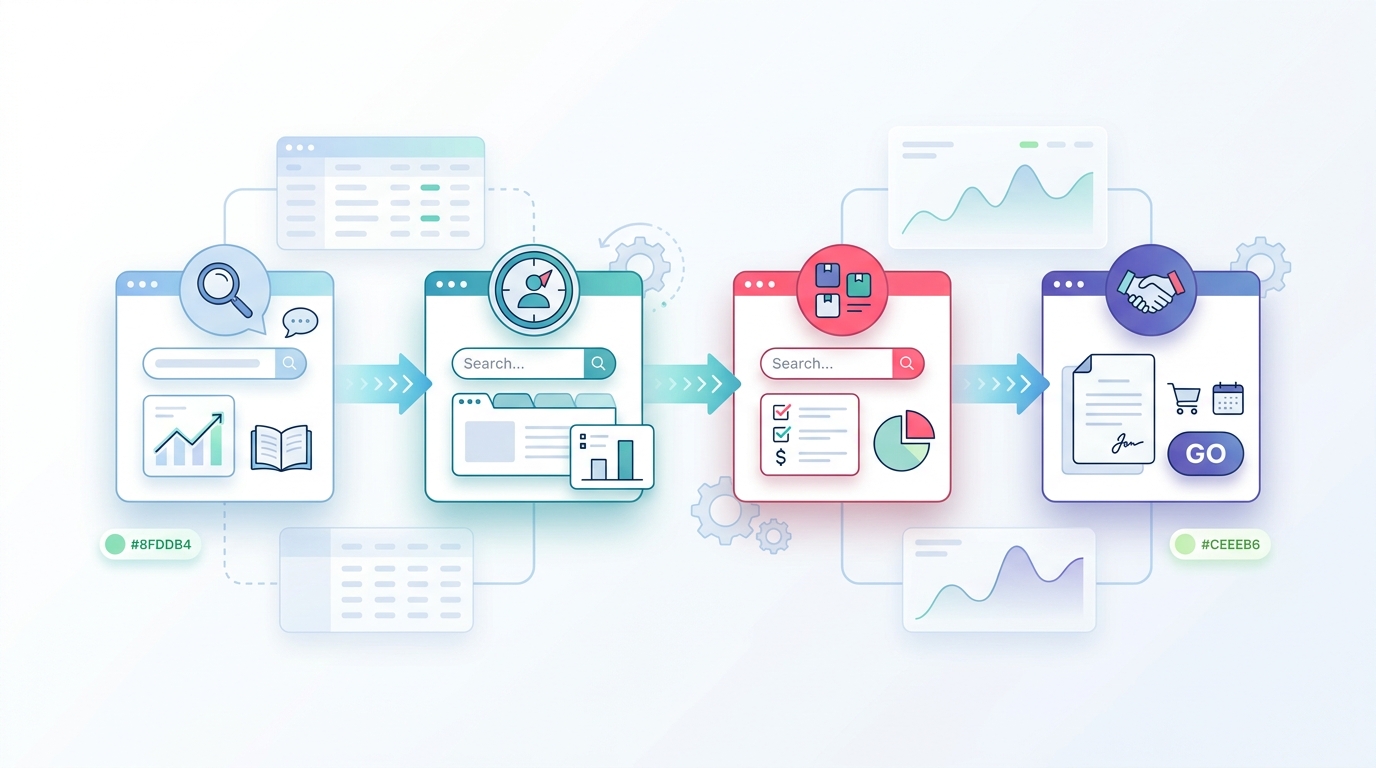
Search intent isn’t a single signal — it’s a spectrum. A buyer searching for “what is sales automation” is in a completely different headspace to someone searching for “best sales automation software for SMEs.” Treat them the same way and you’ll either confuse early-stage prospects or bore the ones who are ready to act.
The four core intent types you need to map are:
- Informational intent: The buyer is educating themselves. They’re asking questions, exploring problems, and building a mental model of their challenge.
- Navigational intent: The buyer knows what they’re looking for and is trying to find a specific brand or resource. This is where brand authority pays dividends.
- Commercial investigation intent: The buyer is comparing options, reading reviews, and building a shortlist. This is one of the highest-value stages and where many B2B brands are absent.
- Transactional intent: The buyer is ready to act — request a demo, get a quote, sign up, or purchase. If you’re not owning this stage, you’re losing revenue directly.
The goal is not just to rank for one of these stages, but to create a content ecosystem that meets buyers at each point and guides them naturally towards your solution.
Build Content That Matches Where the Buyer Actually Is
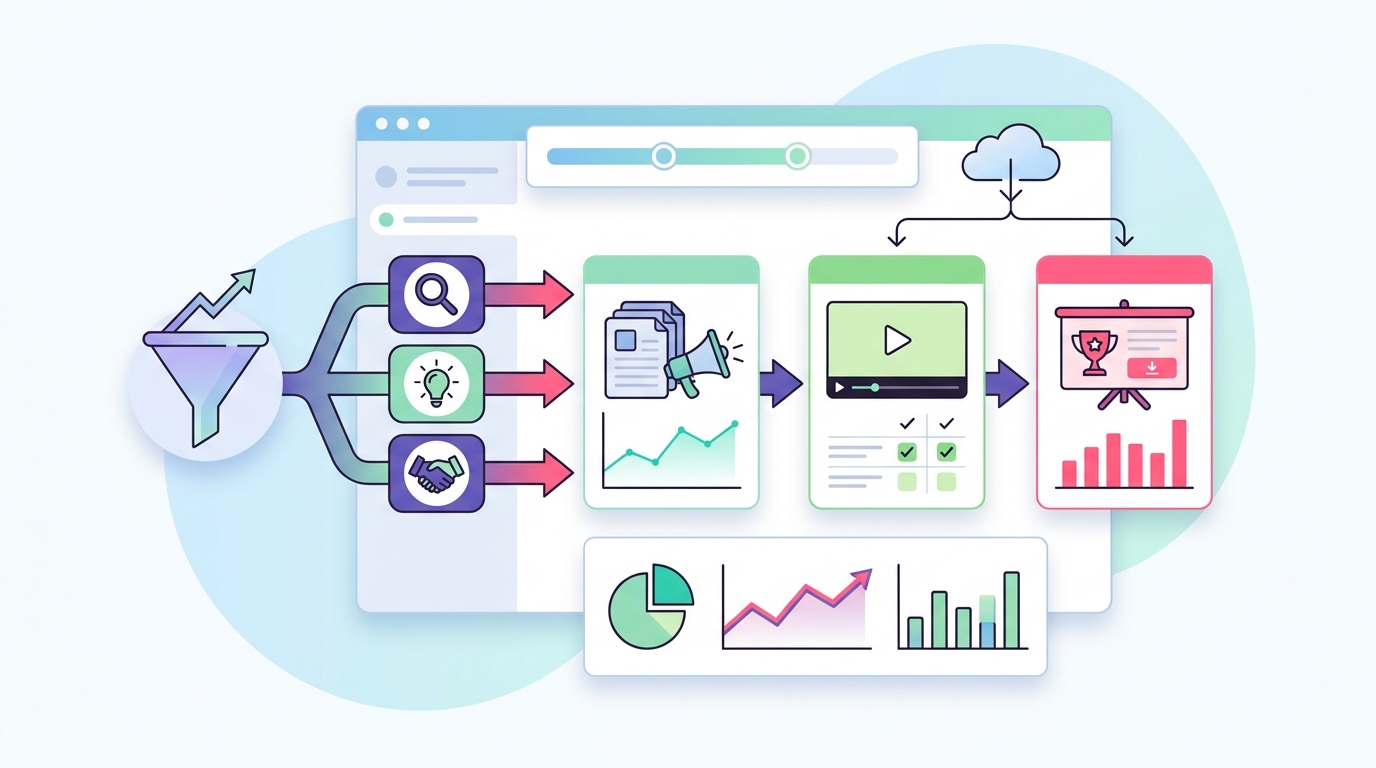
Top-of-Funnel: Earn Attention Before the Competition Exists
Many B2B companies dismiss top-of-funnel content as a vanity exercise. That’s a mistake. When you publish genuinely useful content that answers the questions your ideal buyers are asking early in their research, you become the brand they associate with clarity and expertise — before they’ve even heard of your competitors.
Think about the problems your buyers face before they realise they need your product or service. A company selling B2B data solutions, for instance, might create content around topics like “why your sales team is struggling to hit quota” or “how to identify your ideal customer profile.” These aren’t product pitches — they’re valuable resources that attract the right audience at the right moment.
Practically speaking, this means:
- Publishing long-form blog content that addresses core pain points by job title or industry
- Creating pillar pages that establish your authority on a broad topic
- Using FAQ-style content to capture featured snippets and voice search
Mid-Funnel: Own the Comparison Stage
The commercial investigation stage is where deals are effectively pre-decided. Buyers at this stage are searching for terms like “[your category] alternatives,” “best [solution type] for [industry],” or “[competitor] vs [competitor].” If your content doesn’t appear here, you’re invisible at the exact moment the shortlist is being drawn up.
This is where comparison content, use-case pages, and solution-specific landing pages become critical. Don’t shy away from directly addressing how you compare to alternatives — buyers are going to look for that information regardless, and it’s far better to control the narrative than to leave it to review sites or competitors.
Tactics that work well here include:
- Honest, detailed comparison pages (including your product against named competitors where appropriate)
- Case studies segmented by industry, company size, or use case
- ROI calculators or value-demonstration tools that answer “is this worth it?”
- Targeted landing pages for specific buyer personas or verticals
Bottom-of-Funnel: Convert Intent Into Action
By the time a buyer is using high-intent transactional search terms, they want efficiency, not education. They’re searching for your brand name, your pricing, or terms like “book a demo” and “get a quote.” Your job here is to remove every possible point of friction.
Ensure your core conversion pages — demo request, contact, pricing — are technically sound, fast-loading, and clearly optimised for the keywords buyers use when they’re ready to act. Don’t bury your CTA under three paragraphs of corporate prose. Make it obvious what happens next and why it’s worth their time.
Use Intent Signals Beyond the Search Bar
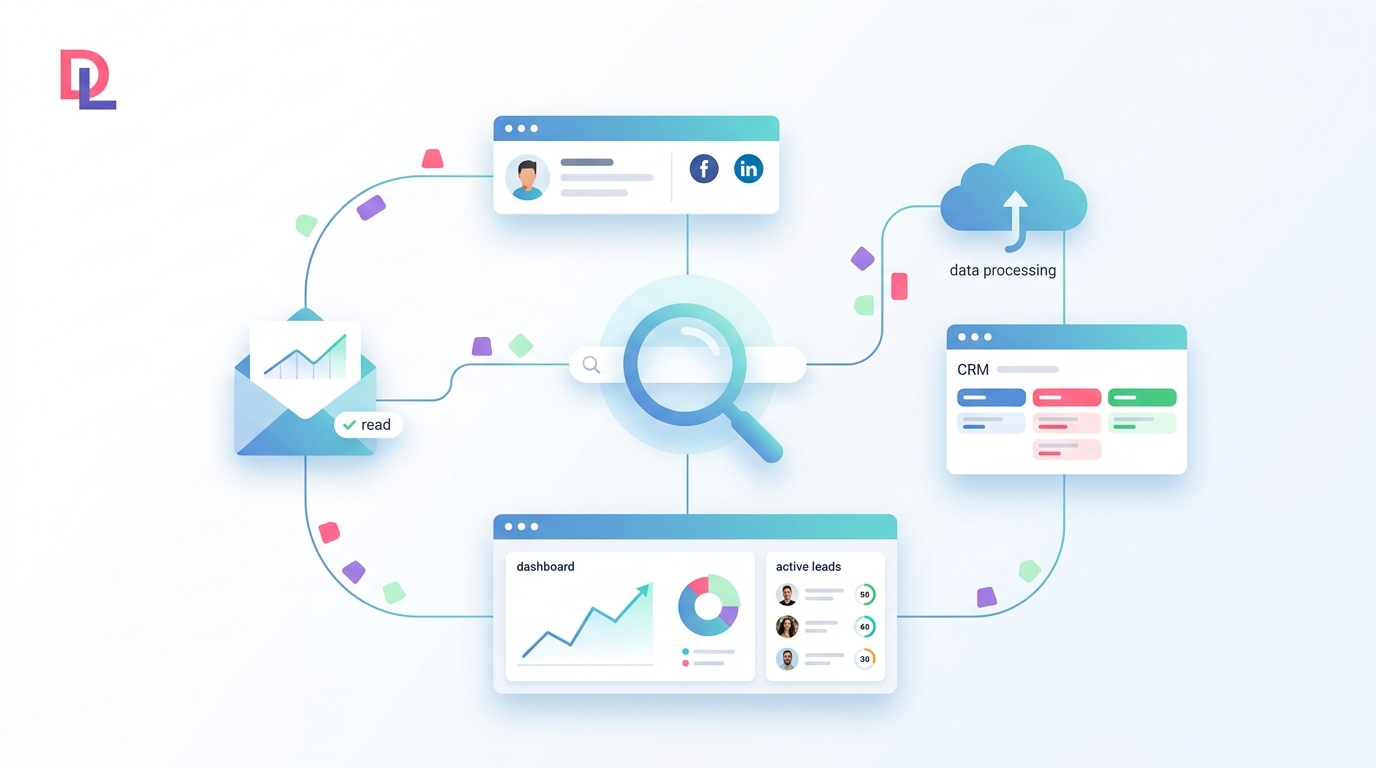
Owning buyer search intent in B2B isn’t limited to Google rankings. Intent signals exist across multiple channels, and the smartest teams are paying attention to all of them.
Content Engagement as a Buying Signal
When a prospect repeatedly visits your pricing page, downloads a case study, or spends time reading your comparison content, that’s intent — and your sales team should know about it. Integrating your CRM with your website analytics allows you to identify high-intent behaviour and prioritise follow-up accordingly. This bridges the gap between marketing content and sales action in a way that many B2B organisations still haven’t figured out.
Third-Party Intent Data
Intent data platforms can tell you which companies are actively researching topics related to your product or category — even if they’ve never visited your website. This gives your sales team the ability to reach out to warm prospects before a competitor does, with messaging that speaks directly to what they’re currently exploring. Used well, it’s like having a window into the research phase of your entire addressable market.
LinkedIn and Social Search
A growing number of B2B buyers use LinkedIn as a search engine in its own right — looking for thought leadership, solution comparisons, and peer recommendations. Consistent, insight-led content on LinkedIn, published by both your brand account and key individuals in the business, keeps you visible and credible in the spaces where decision-makers spend time. It also reinforces your Google rankings by building the brand signals that search engines increasingly value.
The Technical Foundation You Can’t Ignore
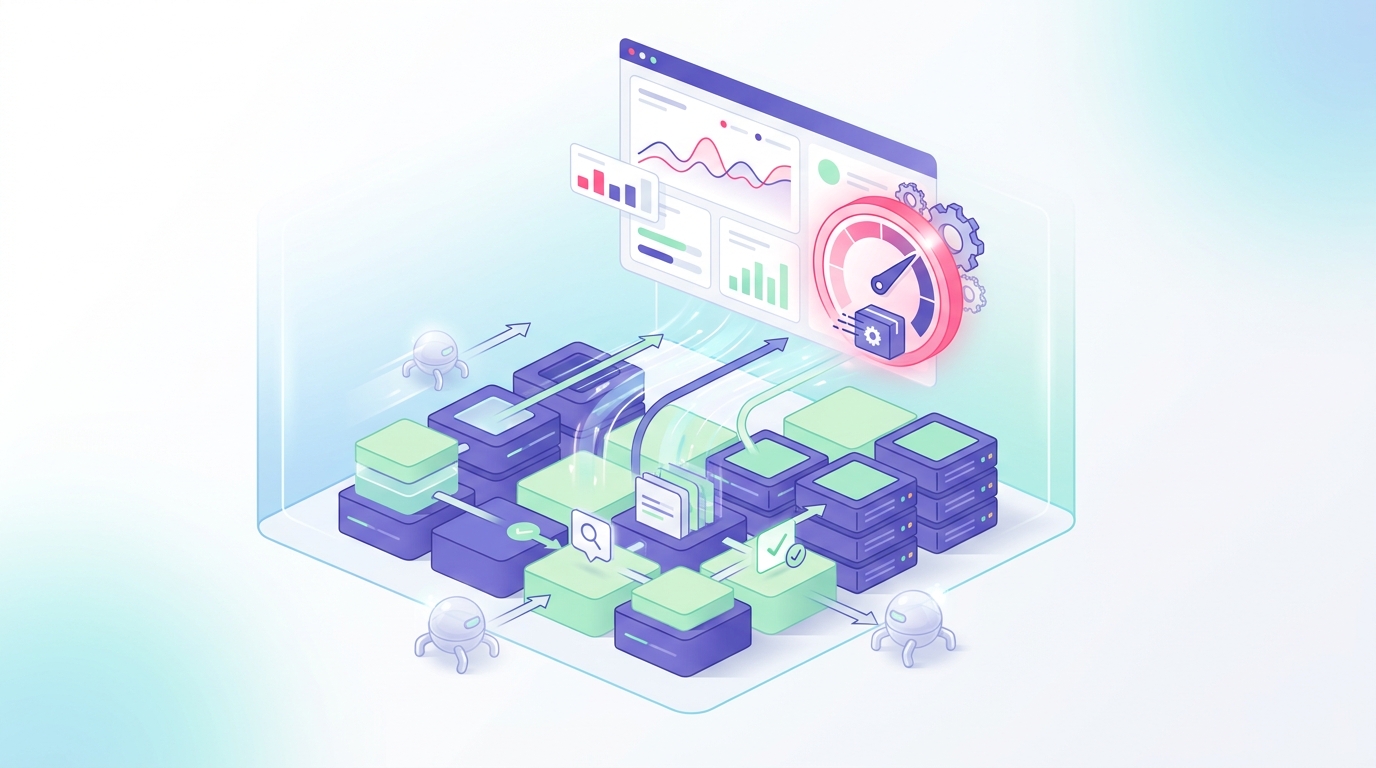
All the best content in the world will underperform if the technical foundation isn’t right. Search engines need to be able to find, crawl, and understand your pages quickly and cleanly.
Key technical priorities for B2B intent capture include:
- Site speed: Slow pages frustrate users and signal poor quality to search engines. This matters especially on mobile, where a growing proportion of B2B research now begins.
- Structured data markup: Helps search engines understand the context of your content and increases your eligibility for rich results like FAQs and review stars.
- Internal linking: A logical internal link structure guides both users and search engines through your funnel-stage content, reinforcing topical authority and improving crawl efficiency.
- URL and page architecture: Your site structure should reflect the way buyers think about your category — not the way your internal teams are organised.
Consistency Is the Moat Your Competitors Can’t Easily Cross
One of the most overlooked truths about owning buyer search intent in B2B is this: it’s not a campaign, it’s a commitment. Brands that publish strategically and consistently over time build a compounding advantage that’s genuinely difficult for competitors to replicate quickly.
A single well-ranked blog post might bring in leads for years. A library of 50 intent-mapped pieces of content, each targeting a different stage and persona, creates a network effect that amplifies everything — from organic traffic to brand recall to sales conversation quality.
The businesses that treat content and SEO as a core growth function, rather than a marketing afterthought, consistently outperform those that don’t. Not because they’ve found a secret formula, but because they show up where buyers are looking, every single time.
Putting It Into Practice: Your Next Steps
If you’re serious about dominating your category in search, start here:
- Audit your current content against the four intent stages. Where are the gaps? Where are competitors outranking you?
- Build an intent map for your top three buyer personas — what are they searching at each stage of the journey?
- Prioritise commercial investigation content if you’re not already there. This is the stage most B2B brands neglect and where the biggest wins are available.
- Integrate your CRM and analytics so high-intent behaviour triggers sales action, not just a metric on a dashboard.
- Commit to a publishing cadence you can sustain — quality and consistency beat volume every time.
Owning your buyers’ search journey is one of the highest-return investments a B2B business can make. It reduces your dependence on paid acquisition, shortens sales cycles, and positions your brand as the default choice in a competitive market.
Ready to build a search strategy that puts you ahead of the competition at every stage of the buyer journey? Talk to the Digileads team today and let’s map out exactly where your biggest opportunities are.

