

What is Buyer Decision Engineering?
Buyer Decision Engineering is a deliberate, structured approach to understanding, mapping, and influencing the way your ideal prospects move from problem-aware to purchase-ready. Rather than leaving the sales process to chance — or relying on a charismatic salesperson to wing it — Buyer Decision Engineering treats the buyer’s journey as something that can be studied, optimised, and ultimately guided with precision. If you’re a business owner or sales leader tired of unpredictable pipelines and inconsistent close rates, this framework could be the most important concept you encounter this year.
At its core, the idea is straightforward: buyers don’t make decisions randomly. They follow cognitive and emotional patterns that, when understood deeply, can be anticipated and met with the right message at exactly the right moment. Buyer Decision Engineering is the discipline of building your entire go-to-market approach around those patterns.
Why Traditional Sales Thinking Falls Short
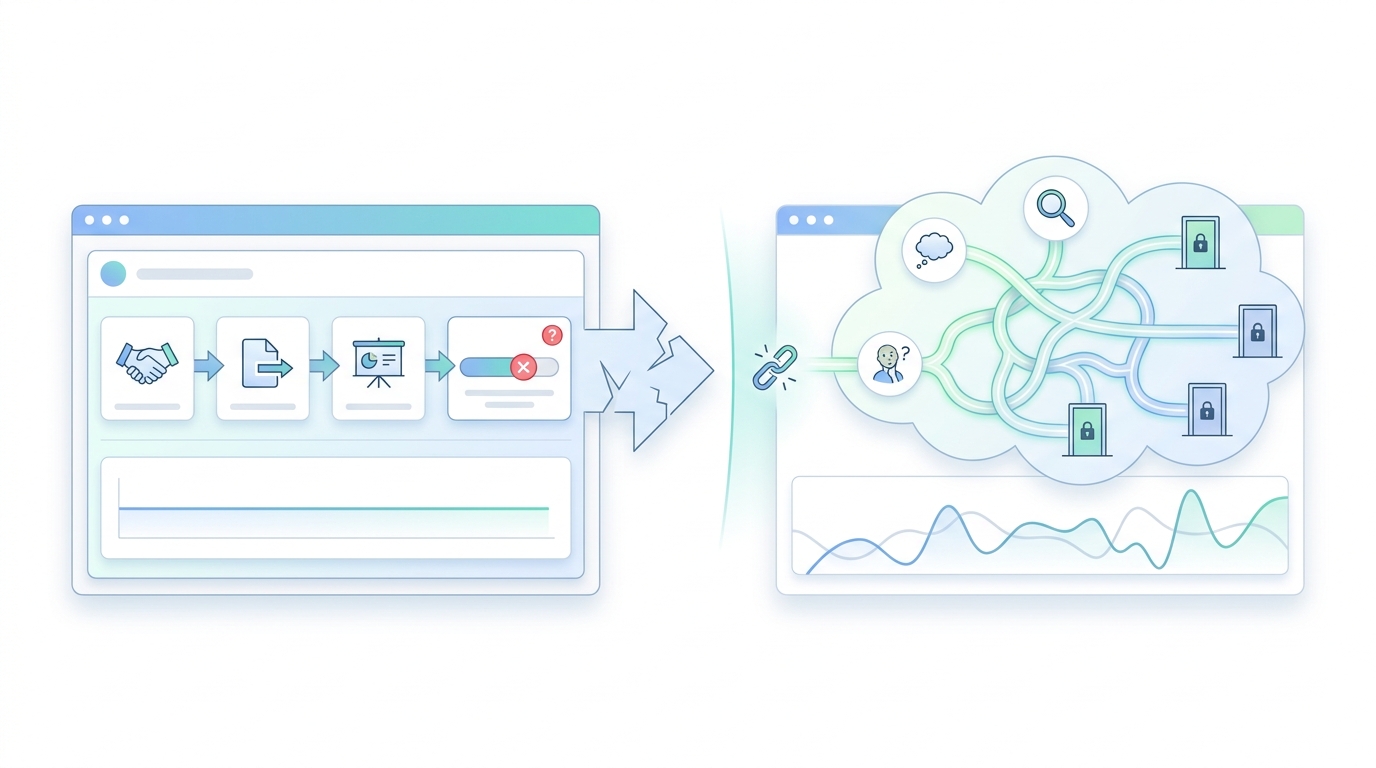
Most B2B sales processes are built around the seller’s journey, not the buyer’s. You have a CRM stage for “proposal sent” or “demo completed,” but these milestones reflect your internal workflow — not what’s actually happening inside your prospect’s mind.
The result? Deals stall. Prospects go quiet. You hear “we need to think about it” more often than you’d like. The pipeline looks busy, but conversion is sluggish.
The problem isn’t usually your product or your pricing. It’s that your sales and marketing process isn’t engineered around how buyers actually decide. Traditional approaches often:
- Push features and benefits before the buyer has acknowledged their problem
- Create friction at exactly the moments buyers need reassurance
- Fail to address the emotional and social pressures influencing the decision
- Treat all prospects the same, regardless of where they are in their decision process
Buyer Decision Engineering fixes this by flipping the model — starting with the buyer’s psychology and working backwards to build a process that aligns with it.
The Core Principles of Buyer Decision Engineering
1. Decision Mapping
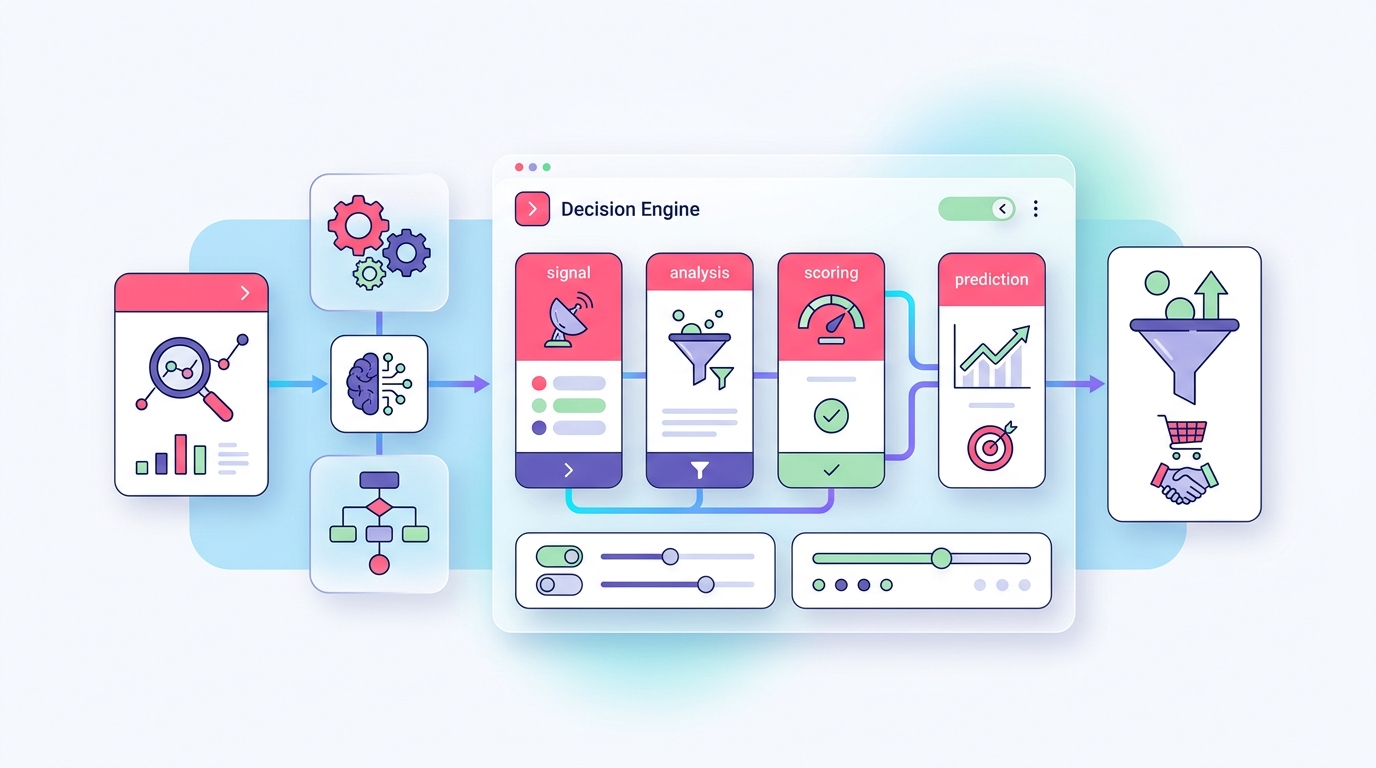
Before you can engineer a decision, you need to map it. This means getting forensically specific about the stages your buyer passes through — not just “awareness, consideration, decision,” but the granular emotional and rational milestones along the way.
What does your buyer need to believe before they’ll take the first conversation? What internal stakeholders do they need to convince? What risks are they weighing up? What would make them feel foolish for choosing you — and what would make them feel confident?
Decision mapping turns vague buyer personas into actionable intelligence. It’s the difference between knowing your buyer is a “marketing director at a mid-sized tech firm” and knowing that she’s under pressure to demonstrate ROI within a quarter, is sceptical of agencies after a bad experience, and needs a low-risk starting point before she’ll commit to a bigger engagement.
2. Friction Identification and Removal
Every stage of the buyer’s journey has potential friction points — moments where doubt, confusion, or inconvenience can cause a prospect to disengage. Buyer Decision Engineering requires you to identify these friction points systematically and remove or reduce them.
Common friction points include:
- Complex or jargon-heavy messaging that makes prospects work too hard
- Too many steps between interest and conversation
- A lack of social proof at the moment prospects are weighing risk
- Misaligned offers — asking for too much commitment too early
- Slow follow-up that allows momentum to dissipate
When you reduce friction at each stage, you don’t just improve conversion rates — you shorten the sales cycle and create a more positive experience that reflects well on your brand before the contract is even signed.
3. Trigger Engineering
A trigger is any stimulus that moves a buyer from one decision stage to the next. Some triggers are external — a competitor announcement, a business challenge that suddenly becomes urgent, a conversation with a peer. Others can be deliberately engineered through your content, outreach, and sales conversations.
Trigger engineering is about creating the right nudges at the right moments. This might mean a case study that addresses a specific objection delivered precisely when a prospect is evaluating alternatives. It might mean a follow-up sequence that re-engages leads who’ve gone quiet by surfacing a new angle on their problem. It might mean a pricing structure that makes saying yes feel like the obvious, low-risk next step.
The best sales and marketing teams in the world are, whether they know it or not, already doing a version of trigger engineering. Buyer Decision Engineering simply makes it intentional and repeatable.
4. Stakeholder Alignment
In B2B sales, the person you speak to is rarely the only person who influences the decision. Buying committees, silent stakeholders, and internal champions all play a role. A major reason deals stall is that the person championing your solution internally doesn’t have the tools or confidence to sell it up the chain.
Buyer Decision Engineering accounts for this by building assets and messaging designed to help your internal champion make the case — whether that’s a concise business case framework, a risk mitigation summary, or a comparison document that makes the decision easy to justify.
When you equip your champion, you’re not just selling to one person. You’re engineering consensus across the organisation.
How Buyer Decision Engineering Applies Across Sales and Marketing
In Content Marketing
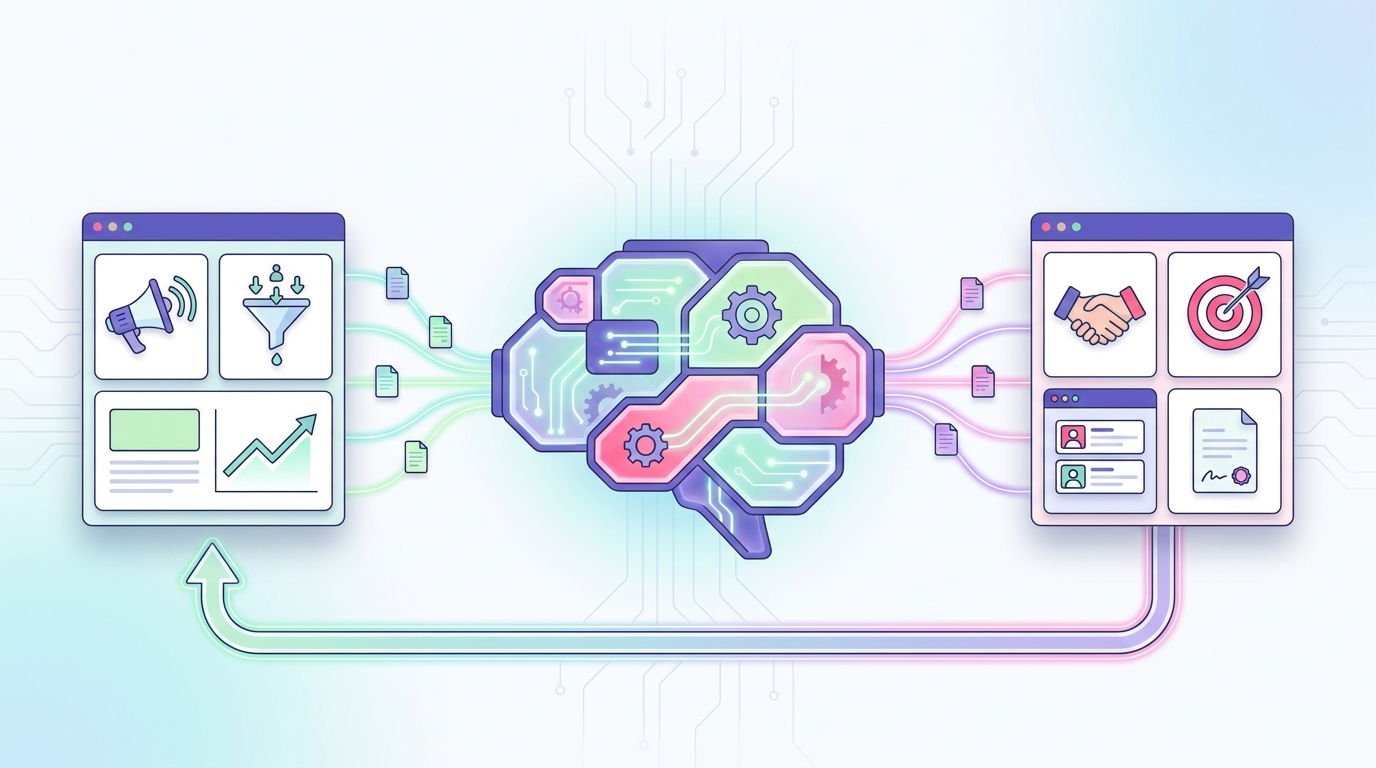
Content built on Buyer Decision Engineering principles isn’t just informative — it’s strategically sequenced to move readers along the decision journey. Each piece of content serves a specific purpose: building problem awareness, establishing credibility, neutralising objections, or creating urgency.
Rather than producing content for its own sake, you ask: “Where is my buyer in their decision process when they encounter this? What do they need to think, feel, or believe after reading it?”
In Outbound Sales
For outbound teams, Buyer Decision Engineering transforms cold outreach from a numbers game into a precision exercise. Instead of generic sequences, you build outreach that speaks to the specific decision stage your prospect is likely in, based on their industry, role, recent activity, or firmographic signals.
The result is outreach that feels relevant rather than intrusive — and that opens conversations because it addresses something the prospect is already thinking about.
In the Sales Conversation Itself
Buyer Decision Engineering also changes how your salespeople show up in discovery and demo calls. Rather than running a standard pitch, they’re trained to identify where a prospect is in their decision journey and adapt accordingly — asking different questions, surfacing different proof points, and calibrating the offer to match the buyer’s current level of readiness.
This is what separates sales teams that consistently hit target from those that work just as hard but can’t seem to make the numbers stack up.
Getting Started: Practical Steps
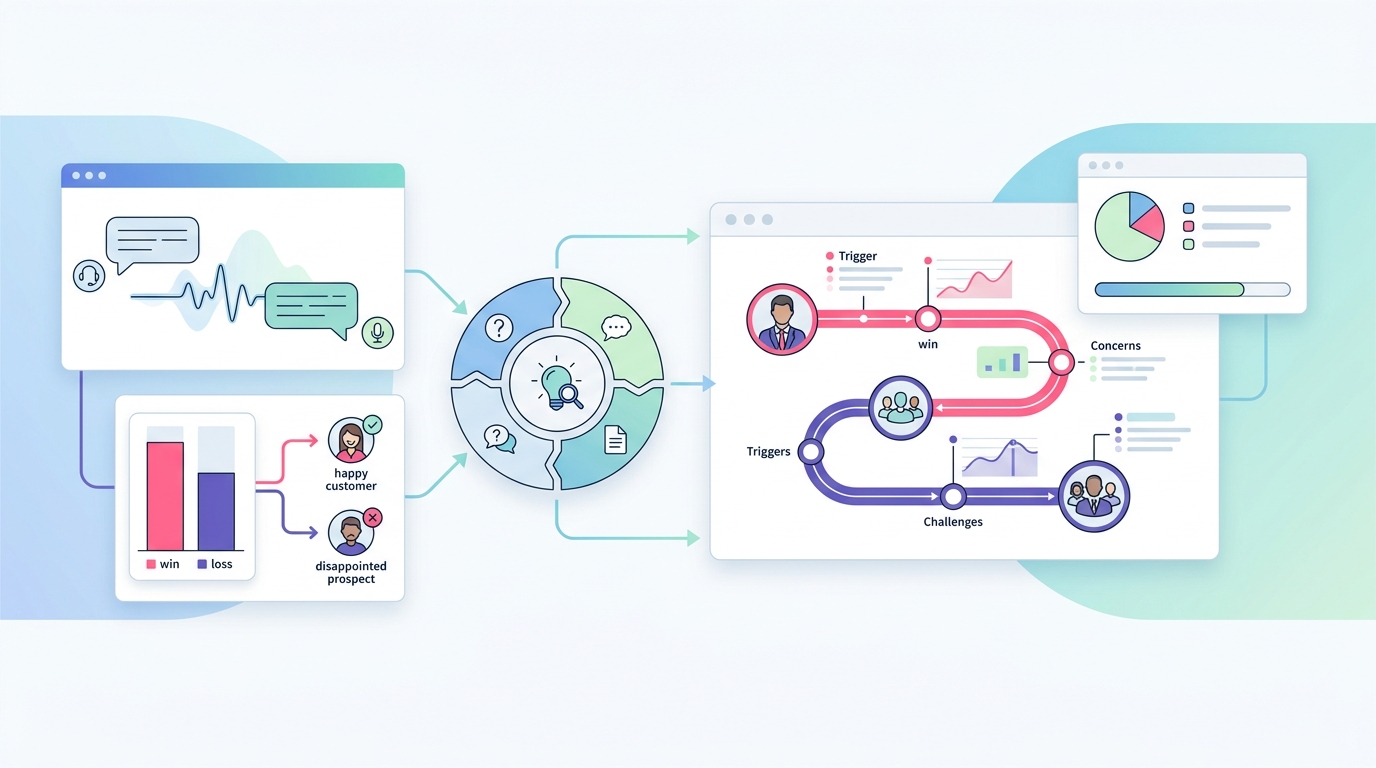
- Conduct win/loss interviews. Talk to recent customers and lost prospects to understand what actually drove their decision — not what you assumed drove it. The insights are almost always surprising.
- Map the real decision journey. Document every stage, stakeholder, concern, and trigger point for your most common buyer profile. Make it specific, not theoretical.
- Audit your current process for friction. Walk through your own sales and marketing funnel as if you were a sceptical prospect. Where do things get complicated, slow, or unclear?
- Build or revise your content and outreach to match decision stages. Every touchpoint should have a clear job to do in moving the buyer forward.
- Create enablement assets for internal champions. Make it easy for your advocates inside prospect organisations to make the case on your behalf.
- Test and iterate. Buyer Decision Engineering is not a one-time project. It’s an ongoing discipline of observation, adjustment, and refinement.
The Business Case for Buyer Decision Engineering
Businesses that adopt a Buyer Decision Engineering mindset consistently report shorter sales cycles, higher conversion rates at each stage of the funnel, and better quality relationships with clients from day one. Because when you’ve genuinely aligned your process with how your buyers think and decide, the sale doesn’t feel like a sale — it feels like a natural next step.
In competitive markets where buyers are more informed, more cautious, and more time-poor than ever, the companies that win aren’t always the ones with the best product. They’re the ones who make it easiest to buy.
That’s what Buyer Decision Engineering delivers: a systematic competitive advantage built not on luck or personality, but on a deep understanding of your buyer and a process designed to meet them exactly where they are.
Ready to Engineer Better Buying Decisions?
At Digileads, we help ambitious B2B businesses build sales and lead generation strategies rooted in how buyers actually decide. Whether you’re looking to sharpen your outbound approach, improve funnel conversion, or build a pipeline that performs consistently — we can help.
Get in touch with the Digileads team today to find out how Buyer Decision Engineering can be applied to your business. Let’s build a process that doesn’t just generate leads — it converts them.